
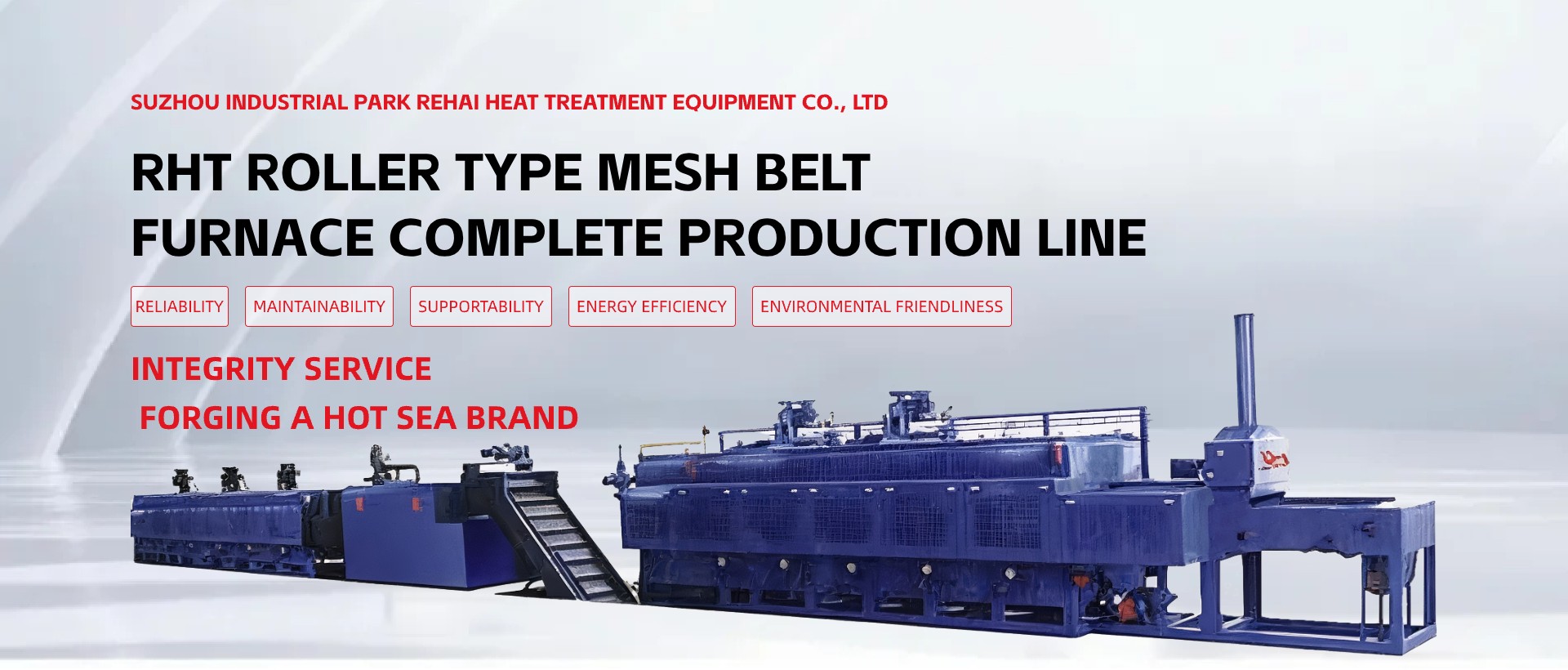
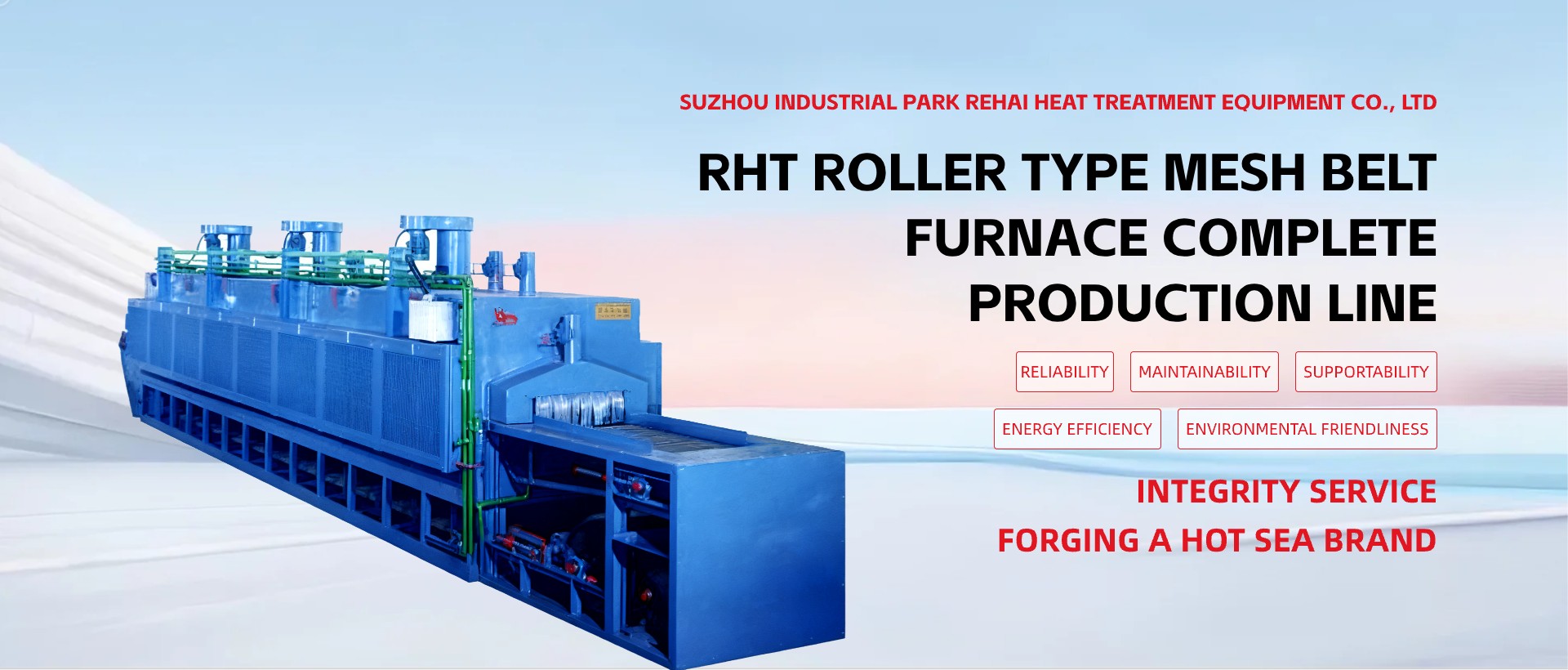
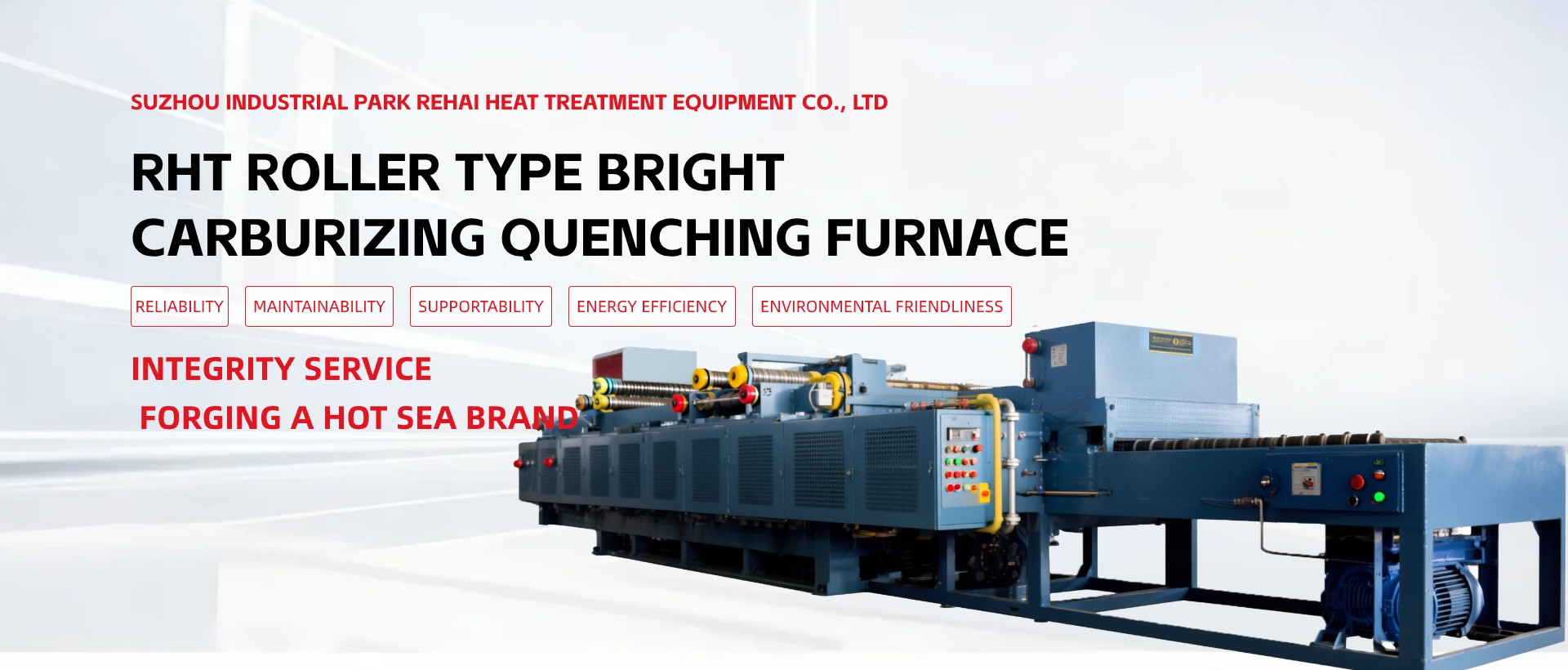
Advantages
Product quality is stable : the hardness fluctuation of products in the same furnace usually does not exceed 1HRC, which is suitable for scenarios with high requirements for quality consistency.
High degree of automation : Process parameters can be stored and reused, reducing manual operation errors and being suitable for mass production.
Energy-saving and highly efficient : The use of idler support and dual-oxygen probe to control the atmosphere reduces energy waste, and the uniformity of the carburized layer is superior to that of traditional equipment.
Strong process adaptability : Supports isothermal quenching, soft nitriding and other processes, reducing subsequent cleaning steps and improving efficiency.
Disadvantage
Complex equipment maintenance : The mesh belt is prone to material jamming and requires regular cleaning of debris in the furnace chamber; Aging of the thermocouple circuit may lead to temperature loss of control.
High risk of failure : The automation system relies on professional maintenance, and when it malfunctions, it is prone to cause fluctuations in batch quality.
Workpiece restrictions : Not suitable for large-sized or poorly hardenable workpieces, and the loading quantity and placement method must be strictly controlled.
High initial investment : The equipment cost and spare parts reserve requirements are relatively high, and the maintenance cost needs to be invested for a long time.